
“Can you make it more…engaging?”
If you work in training or L&D, you’ve probably heard this more times than you can count.
Engaging slides.
Engaging activities.
Engaging delivery.
And yet, quite often trainers leave sessions knowing people enjoyed it, but not knowing if anything was going to change as a result.
That’s not a coincidence.
The engagement illusion
In L&D, engagement is often treated as proof of success. Bums on seats, ‘happy sheets’ are a poor measure of success
Just because learners are talking, smiling, and giving positive feedback, we assume the training worked.
But engagement only tells us one thing: People were present.
It doesn’t tell us they were enabled.
When engagement replaces effectiveness
Some of the least effective training I’ve seen was highly engaging.
Busy activities. Great energy. Strong facilitation.
And zero impact back in the workplace.
Why?
Because activity was mistaken for progress.
When engagement becomes the goal, training often drifts into:
- Exercises that fill time rather than build capability
- Interaction without purpose
- Content designed to impress rather than transfer
Adult learners notice this – even if they don’t say it out loud.
The question learners are really asking
Most learners aren’t thinking “This is boring.”
They’re asking “How does this help me do my job?”
If training can’t answer that question clearly and quickly, engagement won’t save it.
A better question for trainers
Instead of asking “How do I make this more engaging?”
Try asking “What do I want people to do differently after this?”
That single shift changes everything. It moves the focus:
- From performance to purpose
- From activity to application
- From delivery to outcomes
Engagement becomes a tool, not the target.
What actually works in the real world
In real training environments, learners arrive:
- Under pressure
- Distracted
- Tired
- Sceptical
They don’t need entertainment. They need training that solves real problems, respects their reality and gives them usable tools
When training works, the feedback sounds different:
- “I used this yesterday.”
- “That helped.”
- “I finally know how to handle that.”
Rarely “That was engaging.”
From engagement to enablement
Effective training isn’t just about holding attention. It’s about enabling action.
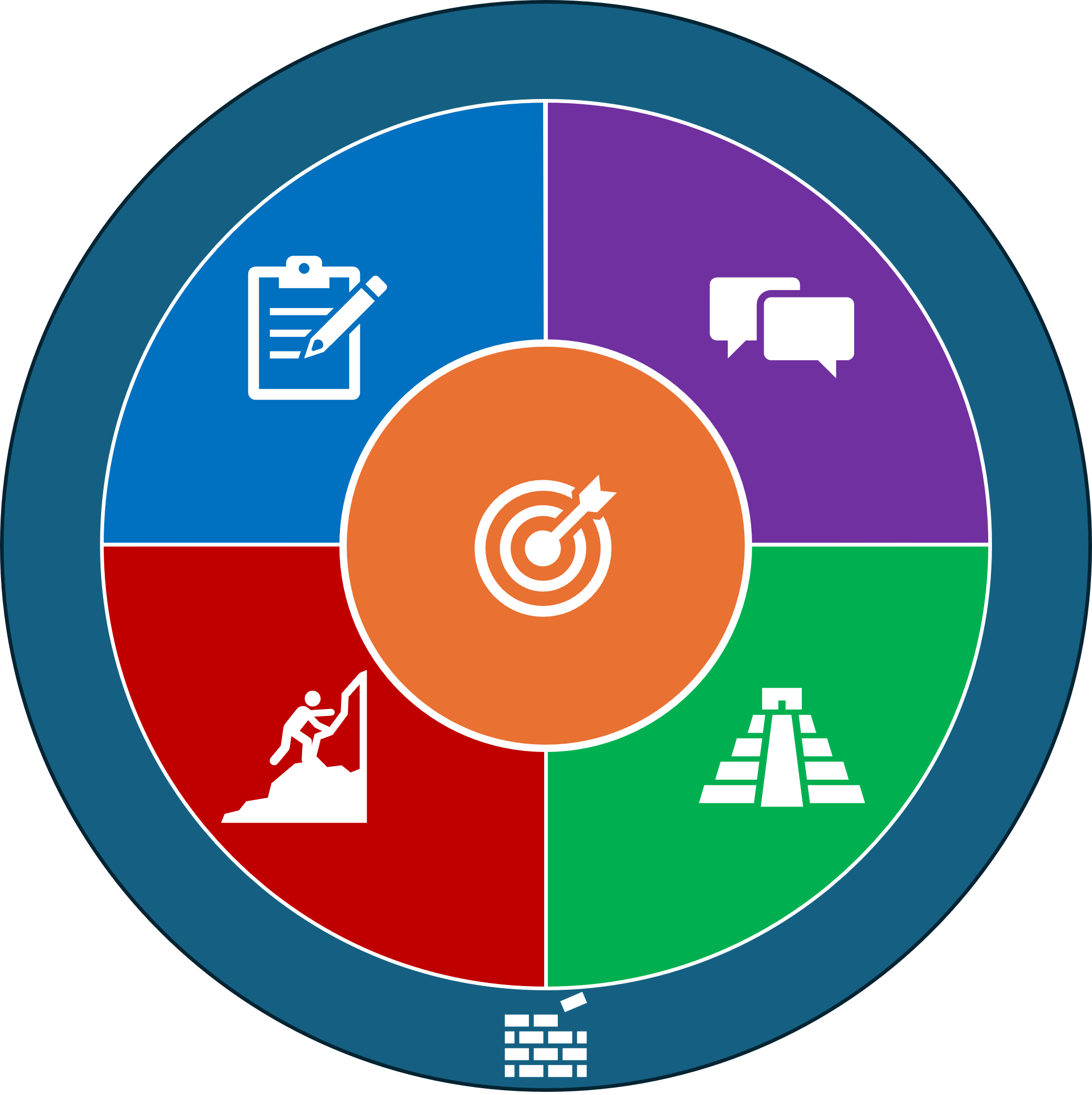
That means designing learning that considers:
- Why the training matters to the learner
- Whether people are ready to engage at all
- How interaction changes thinking
- What sustains motivation beyond the session
- What support exists once people return to work
Engagement still matters, but only in support of these things.
A quick reflection
Think about the last session you delivered or attended.
- What changed afterwards?
- What did people do differently?
- If nothing changed, why not?
Those questions are harder than “Did they enjoy it?”, but they’re the ones that actually improve training.
Engagement isn’t the goal. Change is.
Training that works isn’t memorable because it was fun – it’s memorable because it was useful.
#PRIMEModel
 English